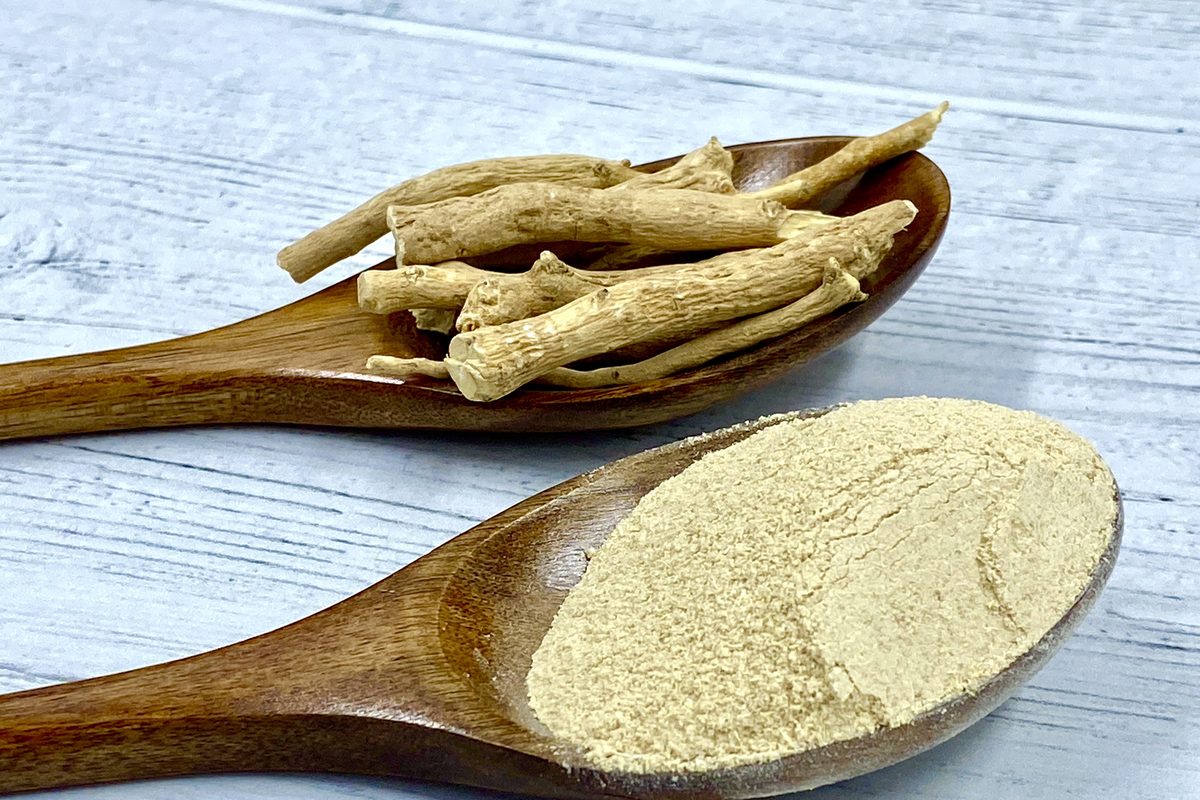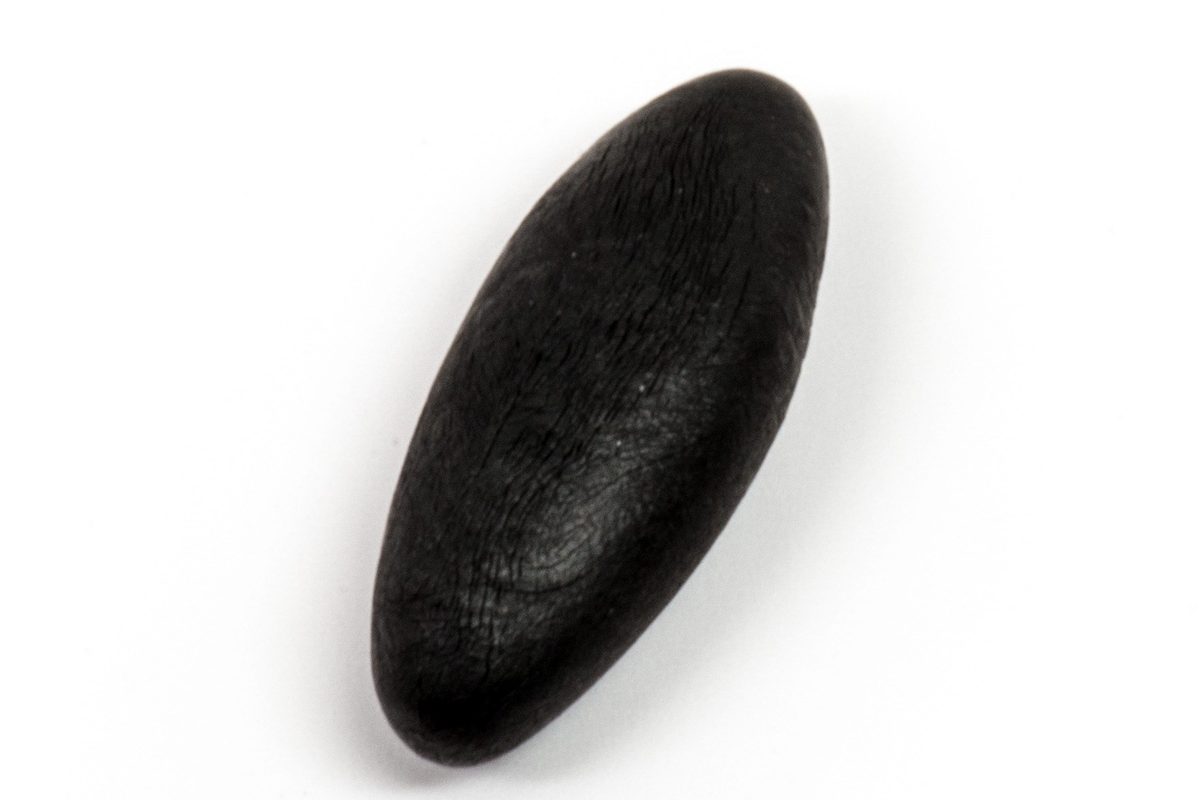

Shilajit is a sticky, mineral rich resin that forms slowly in high altitude rock layers, mostly in the Himalayas. It has a long history in Ayurvedic medicine and has more recently become popular in the wellness world for energy, recovery and general vitality. Early research on fulvic acid and mineral content is interesting but shilajit is still an emerging area of study rather than a settled one, so it is worth keeping expectations realistic.
The one question that actually matters: heavy metals
Because shilajit is mined from mineral rock, raw or poorly purified shilajit can carry trace heavy metals like lead and arsenic. This is not a fringe concern. It is the single most important thing to check before buying any shilajit product. Reputable brands purify the resin and publish third party heavy metal testing results. If a product does not mention testing anywhere, that is a red flag, not a minor omission.
Questions to ask before you buy
- Does the brand publish or reference third party heavy metal testing?
- Is the sourcing region disclosed?
- Is the resin purified, or sold in raw form?
What people use it for
Most shilajit users are looking for support with energy, recovery after exercise or general vitality as they get older. Some small studies point to modest testosterone and energy related benefits, though the evidence base is still thin compared to better studied supplements like creatine. Treat shilajit as a "try it and see how you feel" supplement rather than a guaranteed fix.
Primal Complex Capsules
Primal Complex Capsules stood out to us for the formulation itself. It is built as part of a broader adaptogen complex rather than sold as a raw resin, which makes dosing more consistent from serving to serving.
See Current PriceThese statements have not been evaluated by the Food and Drug Administration. This product is not intended to diagnose, treat, cure, or prevent any disease.