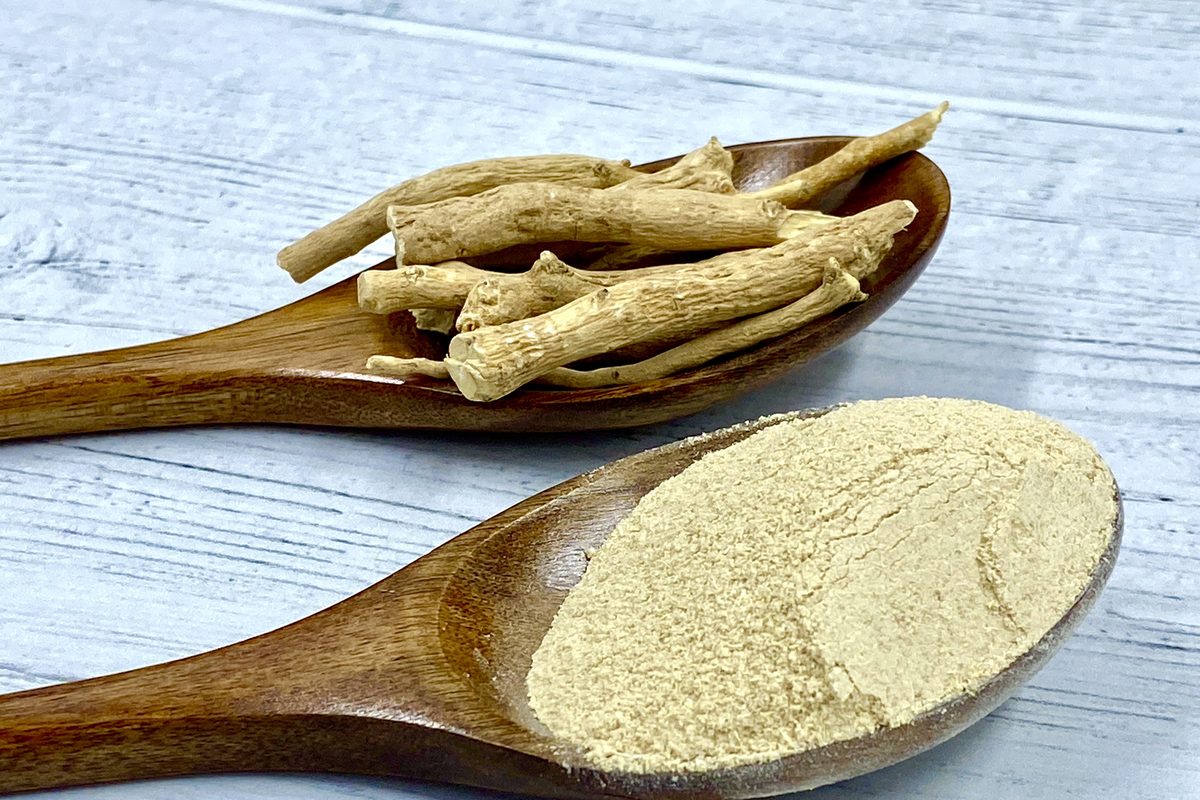

Ashwagandha (Withania somnifera) has been used in Ayurvedic practice for centuries, and over the last decade it has become one of the most researched adaptogenic herbs in Western supplement science. Several small clinical trials have found that daily ashwagandha extract is associated with lower self-reported stress and anxiety scores compared to placebo, along with modest improvements in sleep quality. The research is promising but still limited in scale, so it is worth treating ashwagandha as a supportive tool rather than a cure for chronic stress or anxiety disorders.
What the studies actually measured
Most of the published trials use a standardized root extract, dosed somewhere between 240 and 600 milligrams a day, over an eight to twelve week period. Participants typically reported feeling calmer and sleeping better, and some studies measured lower cortisol levels in saliva or blood. Sample sizes tend to be small (usually under 100 people), which is a real limitation. Larger, longer trials are still needed before anyone can call the effect settled science.
Who should be cautious
- People who are pregnant or breastfeeding
- Anyone on thyroid medication, since ashwagandha may affect thyroid hormone levels
- Anyone taking sedatives or blood pressure medication, due to possible interactions
Talk to a doctor before adding any new supplement if you fall into one of those groups, or if you are managing an existing health condition.
What to look for on a label
Not all ashwagandha supplements are created equal. Quality matters more than dose here. Look for a standardized extract with a stated percentage of withanolides (the active compounds), a clear sourcing statement and third party testing. Gummies and capsules that bury the extract inside a proprietary blend without disclosing the actual dose are harder to evaluate and generally worth skipping.
Calm Response Capsules
We looked at a handful of ashwagandha capsules while researching this piece and Calm Response Capsules stood out for listing a clear standardized extract dose per serving rather than hiding it inside a blend. It pairs well with a consistent bedtime routine if better sleep is your main goal.
See Current PriceAs with any adaptogen, consistency matters more than the exact brand you choose. Most people who report benefits took their supplement daily for at least four to six weeks before noticing a difference, so give it time before deciding whether it is working for you.
These statements have not been evaluated by the Food and Drug Administration. This product is not intended to diagnose, treat, cure, or prevent any disease.