
Reverse osmosis and whole-house filtration are the two systems homeowners most often compare when tap water needs real improvement, not just a pitcher filter on the counter. They solve different problems, and knowing which one matches your actual water issue matters more than which one sounds more advanced.
What reverse osmosis actually removes
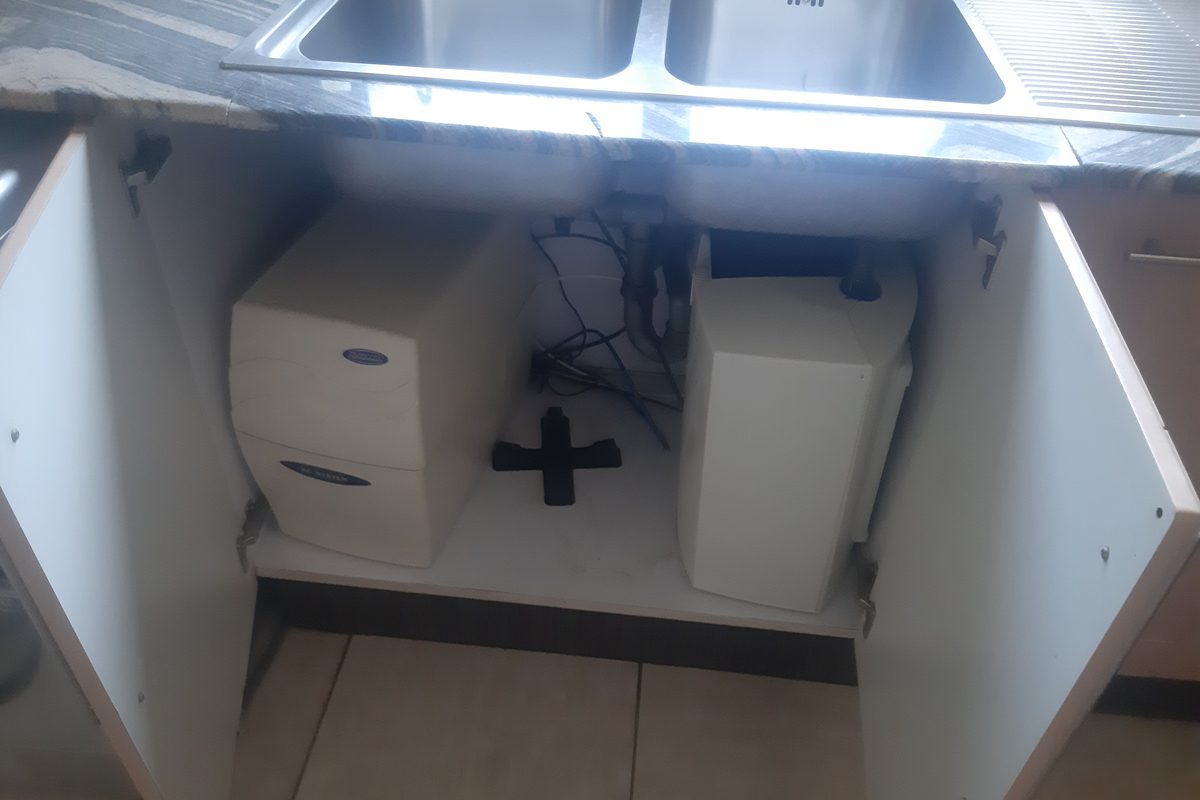
A reverse osmosis system forces water through a semi-permeable membrane fine enough to block dissolved solids, many common contaminants and a wide range of minerals along with them. Most residential units install under a single sink and serve just that tap, drinking and cooking water, rather than the whole house. Because the membrane strips out minerals along with contaminants, the resulting water is very clean but also very soft, which is part of why some people add a remineralization stage back in afterward. Reverse osmosis systems also produce some wastewater during filtration, typically several gallons for every gallon of filtered water produced, which is worth knowing before you commit to one.
Where reverse osmosis makes the most sense
- You have a specific known contaminant in your water report that reverse osmosis is proven to remove
- You mainly want cleaner drinking and cooking water rather than treatment for the whole house
- You do not mind maintaining and replacing membrane cartridges on a set schedule
What whole-house filtration actually does
Whole-house filtration installs at the point where water enters the home and treats everything downstream of it, every tap, the shower and appliances. Typical setups use sediment filters to catch particles and carbon filters to reduce chlorine taste and odor. This is a broader treatment target than reverse osmosis but a shallower one. Carbon filtration does not remove dissolved minerals or many of the specific contaminants a membrane system can catch, so it is really solving a different kind of water problem rather than a bigger version of the same one.
A third approach: conditioning without a filter to replace
A newer category of whole-home unit skips filter media altogether. These inline systems run water through a plated internal core instead of a cartridge, with nothing to schedule or replace over time. Some of these systems are marketed around the idea of structured water, a claim mainstream water chemistry does not currently support as a distinct, measurable state (our full explainer on structured water covers this in more detail). What is separately verifiable is more mechanical: a gold plated core resists the corrosion that eventually degrades ordinary internal components, which is a durability claim rather than a water chemistry one, and worth judging on its own terms.
ST-1 All Purpose Whole Home Unit
The ST-1 is a whole-home inline unit built around a 24 karat gold plated copper core, with no filter cartridge to buy or replace on a schedule. It is worth comparing against a traditional whole-house filtration setup if ongoing filter maintenance is the part of water treatment you would rather avoid.
Which one actually fits your situation
- Worried about a specific contaminant found in a water test: reverse osmosis at the point of use is the more targeted tool
- Want better tasting, chlorine free water at every tap in the house: whole-house carbon filtration is the standard approach
- Want a whole-home system with nothing to replace on a schedule: a filter-free conditioning unit is worth comparing against the first two
None of these approaches are mutually exclusive. Plenty of households run whole-house carbon filtration for general use and keep a dedicated reverse osmosis tap in the kitchen for drinking water specifically. Start with an actual water test rather than guessing, since the right system depends on what is really in your water, not on which technology sounds the most advanced.