
Dry skin after every shower. Hair that feels dull no matter how much conditioner you use. Soap that will not quite lather. These are common complaints, and hard water is often the quiet cause behind all three.
What "hard" water actually means
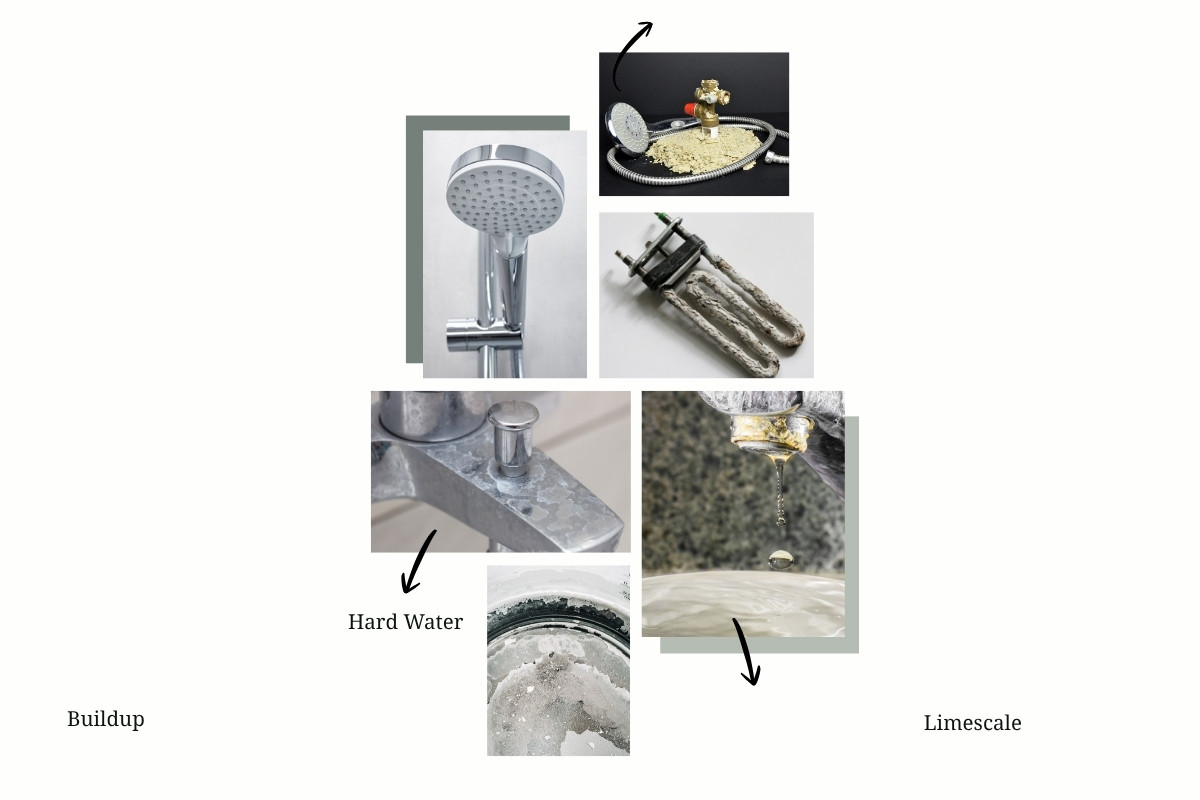
Hard water simply contains a higher level of dissolved minerals, mainly calcium and magnesium, picked up as water moves through soil and rock before it reaches a home's pipes. It is not unsafe to drink and it is not a sign of contamination. Water quality surveys have found that a large share of homes across the United States fall somewhere in the moderately hard to very hard range, so this is a common household condition rather than a rare one.
What it does to skin
When soap or cleanser meets hard water, the dissolved minerals react with it to form a filmy residue often called soap scum. Instead of rinsing cleanly away, that film can sit on the skin's surface. Some dermatology research has linked hard water exposure to a higher rate of skin dryness and irritation, and a few small studies have explored a possible connection to eczema flare ups, though the evidence there is still developing rather than settled.
Signs your skin may be reacting to hard water
- A tight, dry feeling right after rinsing off, even with a gentle cleanser
- Soap or body wash that struggles to lather
- A visible film left behind on skin or in the tub after washing
- Sensitive or reactive skin that seems to flare more after a shower
What it does to hair
The same mineral buildup that affects skin coats the hair shaft over repeated washes. That buildup can leave hair looking dull and feeling coarse or straw like, and it can make color treated hair fade faster since the mineral layer interferes with how evenly color sits on the strand. Shampoo often will not lather well in hard water either, which tempts people to use more product than they actually need, adding to the buildup instead of solving it.
Signs in hair specifically
- Hair that feels dull or straw like no matter which shampoo you switch to
- Noticeably less lather from the same amount of shampoo
- Color that fades faster than expected between salon visits
- A scalp that feels itchy or tight after washing
What actually helps
A clarifying or chelating shampoo used every week or two can strip some mineral buildup from hair between washes, though it is a maintenance step rather than a fix for the water itself. The more direct approach is addressing the water before it ever reaches the showerhead.
SH-1 Shower Structuring Unit
The SH-1 installs directly at the shower line and is built with the same stainless steel, gold lined construction as the rest of the Hydrate lineup. It is worth comparing against a clarifying shampoo routine if mineral buildup on skin and hair is a recurring frustration rather than an occasional one.
Not every dry skin or dull hair complaint traces back to water hardness, so it is worth ruling out other causes like weather, product choice or a skin condition first. But if the dryness or buildup shows up mainly after showering and does not improve with a change in products, hard water is a reasonable next thing to test for.